What Is an AI SOP Generator? How AI Creates Standard Operating Procedures

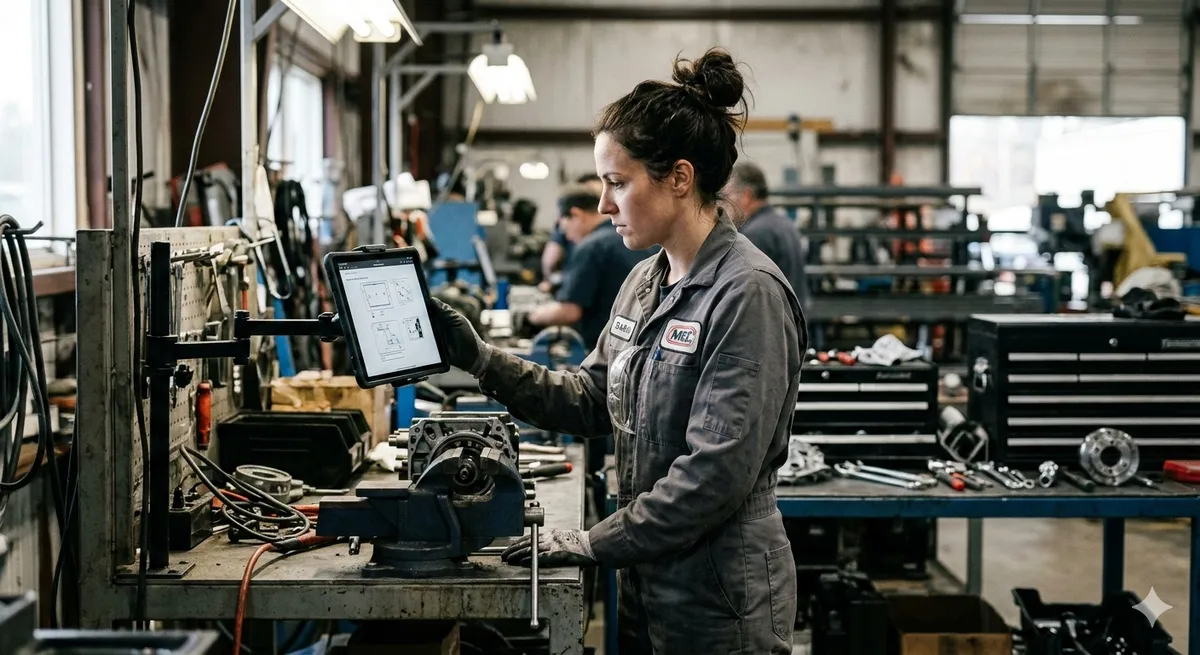
An AI SOP generator is a tool that uses artificial intelligence to create standard operating procedures from video, audio, or text input. Learn how it works, when to use one, and how it compares to writing SOPs manually.
30-second summary
An AI SOP generator uses artificial intelligence to create standard operating procedures from video recordings, audio narration, or existing documentation. Instead of spending hours writing SOPs from memory, teams capture real work and let AI structure it into step-by-step procedures, cutting documentation time from days to minutes.
What is an AI SOP generator?
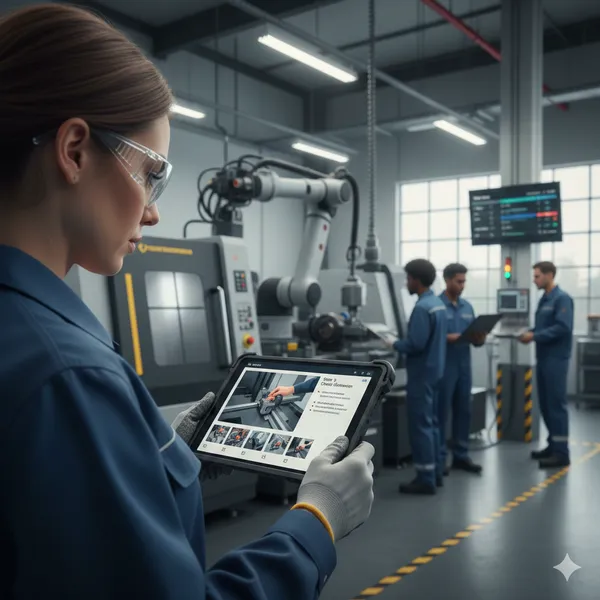
An AI SOP generator is a software tool that uses artificial intelligence to create standard operating procedures (SOPs) automatically. It takes input (typically a video recording, screen capture, or audio explanation of a process) and produces a structured, step-by-step document with descriptions, images, safety notes, and key actions.
The goal is to eliminate the biggest bottleneck in process documentation: the writing itself. According to 2019 IEEE Pulse of Engineering report, 97% of manufacturing companies fear losing institutional knowledge as experienced workers retire. AI SOP generators help capture that knowledge before it disappears.
How AI SOP generators work
Different tools use different approaches, but most follow a similar pattern:
Video-based AI SOP generators
- Record a process on video (phone, GoPro, screen recorder)
- Upload the video to the platform
- AI analyzes both the visual content and audio narration
- Steps are extracted with titles, descriptions, and screenshots
- Review and edit: human validation ensures accuracy
This approach works best for physical processes where actions, tool use, and machine states need to be documented.
Text-based AI SOP generators
- Describe the process in plain language or paste existing notes
- AI structures the input into a formatted SOP template
- Review and refine the output
This approach works for simpler processes or when video isn’t practical.
Browser extension SOP generators
- Perform a software task in the browser
- Extension captures clicks, screenshots, and page navigation
- Steps are generated automatically
Tools like Scribe and Tango use this approach. It works well for software workflows but cannot capture physical processes.
AI SOP generator vs. manual SOP writing
| Factor | Manual writing | AI SOP generator |
|---|---|---|
| Time per SOP | Days (writing, review, formatting) | Under 1 hour (draft to publish) |
| Knowledge source | Memory and interviews | Recorded real work |
| Consistency | Depends on the writer | Standardized output |
| Visual content | Manual screenshot capture | Auto-generated |
| Updates | Full rewrite needed | Re-record changed steps |
| Scalability | One writer = one SOP at a time | Any team member can document |
| Multilingual | Manual work with copy pasting | AI perserves context, minimal edits |
| Sharing | Normally paper or PDF | Live link or QR code, always up-to-date |
Research cited by Canvas GFX shows workers using interactive digital work instructions made 60% fewer errors on their first attempt compared to paper-based instructions, a gap that persisted even after repeated task exposure.
When to use an AI SOP generator
An AI SOP generator is most valuable when:
- Documentation doesn’t exist: no one has time to write SOPs from scratch
- Processes change frequently: manual updates can’t keep pace
- Knowledge is tribal: critical procedures live in experienced workers’ heads
- Training takes too long: new hires rely on shadowing instead of documentation
- Multilingual teams: SOPs need to work across languages
- Compliance requires documentation: ISO, FDA, GMP audits demand current procedures
It’s less useful for:
- One-time, non-repeatable tasks
- Highly regulated processes that require pre-approved templates (though AI output can feed into those templates)
Types of AI SOP generators
| Type | Best for | Example tools |
|---|---|---|
| Video to SOP | Physical processes, manufacturing, maintenance | SOPX, DeepHow |
| Browser capture | Software workflows, IT processes | Scribe, Tango |
| Text to SOP | Simple processes, office procedures | Various AI writing tools |
| Hybrid | Teams with both physical and digital processes | SOPX |
For detailed comparisons, see our competitor comparison pages.
What makes a good AI SOP generator
When evaluating tools, look for:
- Input flexibility: supports video, screen recording, and manual editing
- Step accuracy: AI correctly identifies action boundaries and descriptions
- Visual output: each step includes a relevant screenshot or video clip
- Editing control: easy to adjust, reorder, add, or remove steps after generation
- Version control: track changes over time, know which version is current
- Translation: AI-powered multilingual support for global teams
- Sharing: workers can access SOPs on mobile, via links, or QR codes
- Data privacy: video content is not used for AI model training
Frequently Asked Questions
Does an AI SOP generator replace technical writers?
No, but it shifts their role. Subject matter experts can document processes directly by recording them, while writers focus on quality review and compliance formatting rather than first-draft creation.
How accurate are AI-generated SOPs?
AI generates a strong first draft, typically 80–90% accurate. Human review is always required to verify technical details, safety information, and step completeness.
Can AI SOP generators handle regulated industries?
Yes, but with human oversight. AI accelerates documentation; approval, validation, and compliance sign-off remain the organization’s responsibility. Version control features help maintain audit trails.
What’s the difference between an AI SOP generator and ChatGPT?
ChatGPT generates text from prompts. An AI SOP generator analyzes actual video or screen recordings of real work and produces structured documentation with visual content. The output is grounded in what actually happened, not what someone described in a prompt.
How long does it take to generate an SOP with AI?
Most AI SOP generators produce a draft in 2–5 minutes from a video upload. Review and editing typically adds 10–15 minutes, compared to 4–8 hours for manual writing.
Is SOPX an AI SOP generator?
Yes. SOPX is an AI SOP generator that converts video recordings into structured, step-by-step procedures with descriptions, screenshots, safety callouts, and multilingual translation. It handles both physical process videos and screen recordings. Try SOPX free.