


SOPs
Finally Get Your SOPs Done
You do not have hours to write procedures, and your best operators should not either. They film the job on a phone, AI drafts a clear step-by-step SOP, and you review it in minutes. The line keeps running when someone is out.
- Film the job
- AI drafts it
- Operators follow
Under 10 min
from a phone video to a published SOP
Film, not write
your operators record, AI drafts
QR at the machine
operators open the current procedure
The problem
Why SOPs never get done
Writing SOPs always loses to firefighting
Your day goes to the problems on the floor, so documentation slides to next week and never happens. The list of undocumented jobs keeps growing while you put out fires.
One operator runs the changeover their own way
The veteran's method lives in their hands, not on paper. When they are out, the changeover slows down or gets done wrong, and you feel it in scrap and downtime.
Every shift does the same job differently
Day shift and night shift each have their own habits, so quality swings depending on who is running the line. The standard only exists informally, in people's heads.
New hires take months to get up to speed
With nothing to follow, training means shadowing a senior operator for weeks. That pulls your best people off production and still leaves gaps when the trainer is busy.
What changes
How SOPX Helps
Your operators film, AI writes the SOP
Your best operator records a job or changeover on their phone and AI drafts the work instruction, step by step, in under 10 minutes. They are back on the machine in minutes instead of stuck in a document, and you review the draft.
One current procedure at every machine
Group procedures into a folder per machine or line and put its QR code right on the equipment. Operators scan it to open the current setup the same way on every shift, so variation, scrap, and rework go down.
New hires learn from the real method
Instead of weeks shadowing a veteran, new operators follow visual steps that show the actual motion. The veteran stays on production, and their know-how is captured before they retire or move on.
In Practice
How SOPX fits an operations manager's week
The documentation you never get to becomes a few minutes between other tasks on the floor.
- 01
Capture the changeover while it runs
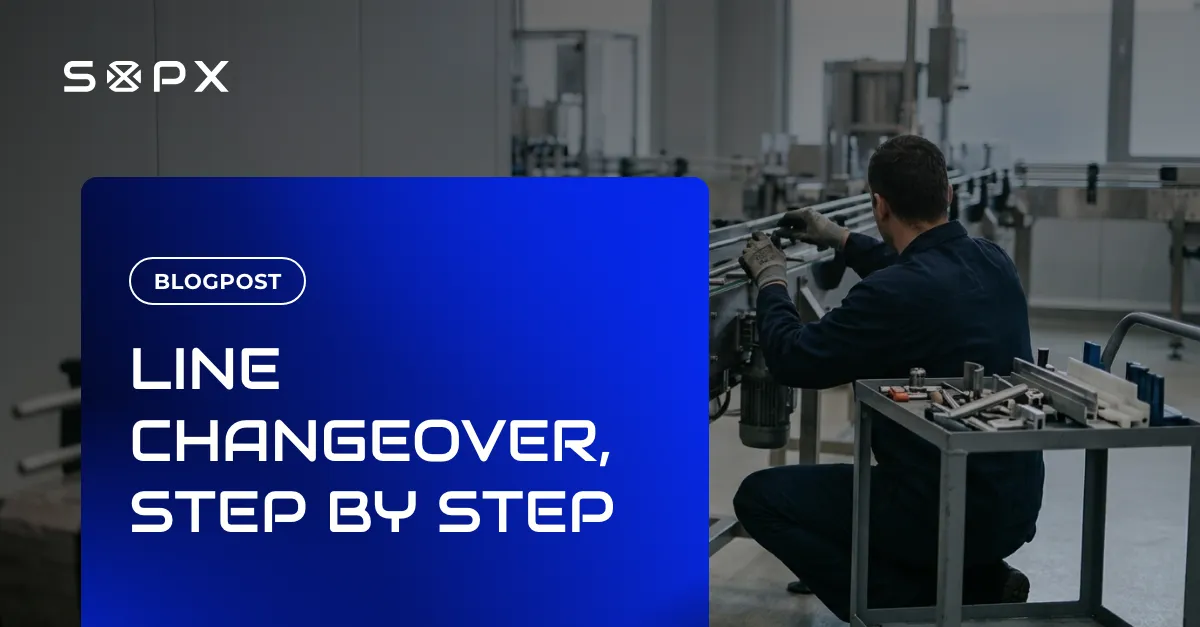
A tricky changeover comes up, so you film the operator doing it on your phone instead of planning to write it up later.
- 02
Let AI do the writing
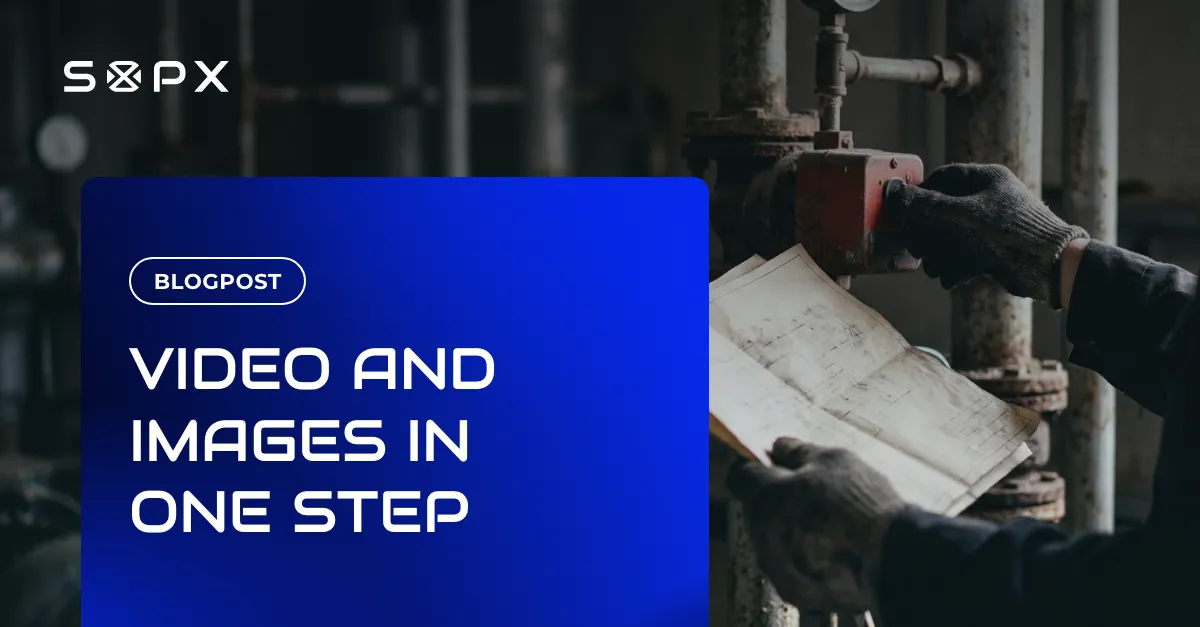
By the time you are back at your desk, AI has drafted the steps. You trim a clip, add an arrow to the right valve, and publish.
- 03
Put a QR code on the machine
Operators scan it to open the current setup right where they work, so day shift and night shift run the job the same way.
- 04
Update it in seconds when it changes
A setting changes after maintenance. You edit the step, publish, and everyone is on the current version, with the previous one still on record.
How it works
How It Works
Step 1
Record the job
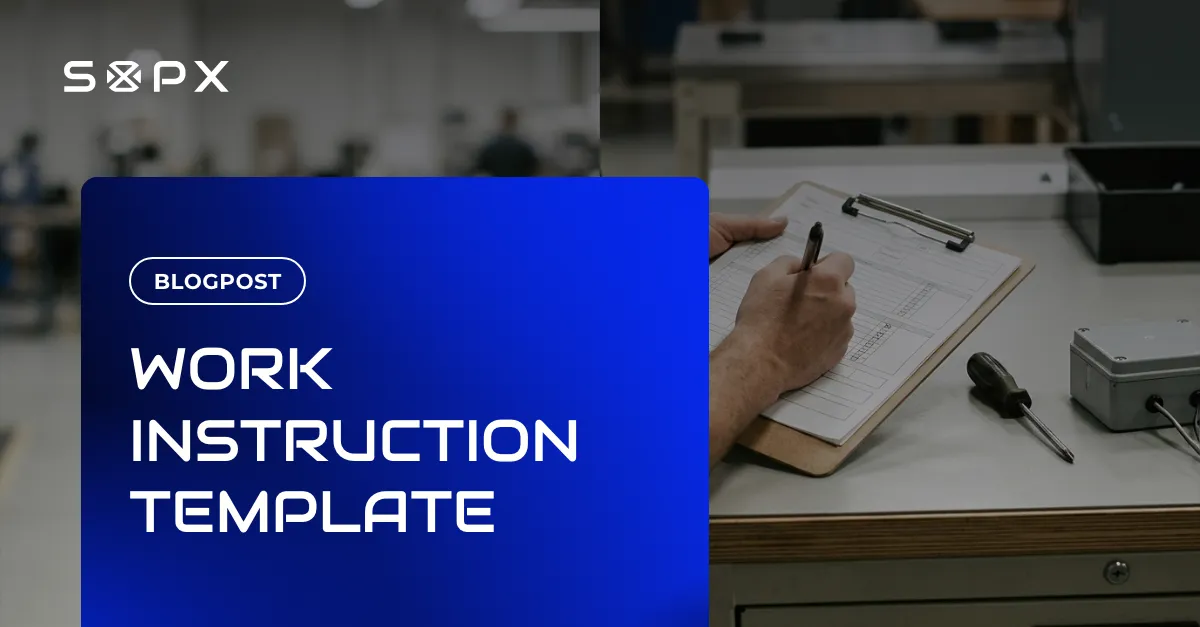
Film an operator running the task or changeover on any phone, or import an existing PDF procedure you already have.
Step 2
AI drafts the SOP
AI splits the recording into steps, each with a trimmed video clip and a written description, in under 10 minutes. You trim clips, fix the wording, and mark the key detail with an arrow or callout.
Step 3
Put it on the floor
Publish, then put a QR code at the machine or share a link so operators open the current version on any device. Export to PDF or Word when you need a printed copy.
Explore
Industries Where This Fits
Manufacturing
Film a changeover, machine setup, or cleaning task on your phone. AI writes the step-by-step work instruction in minutes. Translate it for every language on the floor, train new hires with training paths, and approve each change before it reaches the line.
Learn more →Food Production
Film line cleaning, allergen changeovers, end-of-line packing, and each station's tasks on a phone. AI writes the step-by-step SOP in minutes, or import your existing food safety PDFs. Translate for every worker, train new hires with training paths, and let quality approve each change before it goes live.
Learn more →Logistics & Warehousing
Film picking, packing, receiving, and forklift checks on a phone. AI writes the step-by-step SOP in minutes. Translate it for temp and agency workers, assign a training path for each role, and put a QR code at every station so each shift works the same way.
Learn more →Related Use Cases
Process Standardization
Process variation drives quality issues, waste, and errors. Standardize every task with visual SOPs generated from your best methods, accessible at every workstation.
Learn more →Training & Onboarding
Upload a process video and get a step-by-step SOP in minutes. Assign the SOPs as a training path. New hires work through it on their own, in their own language, and sign off when they are done.
Learn more →Knowledge Capture
SOPX is tribal knowledge software: record your experts doing the tasks they already do every day, and AI turns the footage into structured, shareable SOPs. The expert keeps working, not authoring docs.
Learn more →Related Roles
Plant / Site Manager
Quality slips when every operator runs the process their own way. Film a machine setup once, let AI draft a step-by-step work instruction in minutes, and publish it so the line runs the same on every shift.
Learn more →Production Supervisor / Team Lead
You answer the same questions every shift, and your best operators lose time to it too. Film the job once, let AI draft a step-by-step visual work instruction, and point your team to one link they open right at the workstation.
Learn more →COO / VP of Operations
Output should not depend on who is on shift. Capture the proven method on video, let AI draft the operating procedure in minutes, and publish the same playbook to every site. Execution stops varying from location to location.
Learn more →Key terms
Changeover
Switching a machine or line from one product to the next. Changeover time runs from the last good piece of product A to the first good piece of product B.
Kaizen
The Japanese practice of continuous improvement through small, incremental changes made by everyone, every day. It literally means 'change for the better.'
Policy vs Procedure
A policy is a rule or position that sets the what and the why. A procedure is the how: the ordered steps people follow to comply with that policy.
Process Documentation
The practice of recording how work gets done so that the knowledge lives outside one person's head, in a form others can read, follow, and improve.
FAQ
Frequently Asked Questions
01How do I create SOPs when I have no time to write them?
02How long does it take to create an SOP?
03My operators will not want to film themselves. Does that still work?
04Our processes change all the time. Will the SOPs just go stale?
05Do my best people have to stop working to write procedures?
06How is this different from filming on a phone or using a screen recorder?
07Can I control who sees which procedures?
08We already have procedures in PDFs. Do we start over?
Start today